
HVAC installation services done right are the single biggest factor in whether a new system lasts 15 years or starts breaking down in three. Most homeowners think a new system will hold up because it is new. That is not how it works.
A brand-new air conditioner or heat pump can still run into major issues early if the install was rushed, airflow was never corrected, or startup was not done properly. We see it constantly across the Denver Metro area. Systems with solid equipment that start having avoidable problems just a few years in, simply because the setup was not right from day one.
The brand matters, but the quality of HVAC installation services matters more. If the system is not sized correctly, commissioned correctly, and set up to move air the way it should, the damage starts early and usually goes unnoticed until comfort slips, repairs stack up, or energy bills stop making sense.
If you are investing in a new A/C installation or planning a heat pump installation, this is what actually determines whether that system lasts.
The Part Nobody Talks About Enough
A lot of early HVAC failure starts on day one.
Not because the system is defective. Not because the homeowner did anything wrong. It starts because details were skipped at installation. Two homes can use the same ac installation contractors, same model, same size, same efficiency rating. One system lasts 15 to 20 years with normal upkeep. The other starts freezing coils, short cycling, and burning through parts in a fraction of that time.
The difference is almost always in the setup.
That includes airflow, refrigerant charge, static pressure, thermostat programming, and electrical verification. HVAC installation services that skip these steps may still get the system turning on and blowing cold air. That does not mean it is running correctly. It just means the problem has not gotten expensive yet.
Most homeowners have no way to tell the difference on installation day. The equipment is new. The thermostat responds. The house cools down. Everything looks fine. But running and running correctly are two different things. A system can operate in a degraded state for years before a breakdown makes the underlying setup problem obvious. By then the warranty window has shrunk, the company that did the install may be harder to reach, and the homeowner is stuck paying for problems that started before the first cooling season was over.
That is why the quality of HVAC installation services matters more than most people realize when they are evaluating bids and comparing prices.
What Commissioning Actually Means
Commissioning is one of the most important parts of new HVAC installation services and also one of the most overlooked.
A lot of homeowners assume startup means the installer turned the system on, felt cold air at a vent, and called it good. That is not real commissioning.
Real commissioning means verifying that the system is operating the way it was designed to operate. It is the step that separates quality HVAC installation services from a rushed job. It means measuring performance instead of guessing. Checking refrigerant levels carefully, confirming airflow, testing static pressure, verifying electrical readings, setting the thermostat correctly, and making sure the equipment is actually matched to the home and duct system.
A system can be brand new and still be under stress from day one. If it is overworked from the beginning, you are cutting into lifespan, efficiency, and reliability before you ever get a return on what you paid for. This is why the quality of HVAC installation services varies so much between companies even when the equipment is identical.
Think your system was set up wrong? Schedule a diagnostic visit
Airflow Is the Biggest Problem We See in Colorado
If there is one thing that kills systems early in Colorado, it is poor airflow.
We see it constantly across the Denver Metro area. Undersized ductwork. Restrictive returns. Dirty filters. Blower settings that were never adjusted correctly. Older duct systems paired with newer equipment without anyone checking whether the air side of the system can support it. These are the kinds of things that quality HVAC installation services address during the installation itself, not after the problems show up.
When airflow is wrong, the system has to fight itself to do its job. That leads to frozen evaporator coils in summer, overheated components in winter, longer run times, weak comfort in certain rooms, unnecessary wear on major parts, and higher operating costs.
A lot of homeowners think their system is just aging badly when the truth is it has been suffocating for years. That is one reason A/C Maintenance and Cooling System Inspection matters so much. Routine inspection catches airflow issues, pressure problems, and performance drift before they start costing real money.
Refrigerant Charge Can Quietly Ruin a System
Refrigerant charge is another major issue that gets glossed over too often in HVAC installation services.
Too little refrigerant causes problems. Too much refrigerant causes problems. Close enough is not good enough.
When the charge is off, the system runs longer than it should, loses efficiency, and puts more strain on the compressor. That damage does not always show up right away. At first it may look like longer cooling cycles or weaker performance on hot afternoons. Over time, that poor setup chips away at the life of the system.
This is one reason some new systems start having service issues early. The install is technically complete but the final setup was never truly dialed in. It cools for now but it is not operating the way it should. A real A/C Repair evaluation should always ask whether the system was ever set up correctly in the first place, not just what failed.
Replacing Your System? Get It Done Right the First Time
Cheap Installs Usually Get Expensive Later
A low install price sounds good up front. That is why so many hvac installation companies push flashy offers and race to the bottom. The problem is that low prices usually mean something got cut, and what gets cut is almost always the exact work that protects the life of the system.
Time gets cut. Setup gets cut. Testing gets cut. Airflow correction gets skipped. Commissioning gets rushed or ignored completely.
The homeowner usually does not see that on install day. Everything looks new. The thermostat works. Cold air comes out. It feels fine. Then two or three summers later the breakdowns start, the energy bills stay high, and the system never lives up to what was promised.
Comparing ac installation contractors based on price alone is a mistake. A system installed cheaply but poorly is not a bargain. It is a delayed cost. For homeowners considering a new air conditioning installation or hvac replacement systems, the better questions are: what is included in the setup, what testing is being done, and is the system being installed to last.
What Actually Helps a System Last 15+ Years
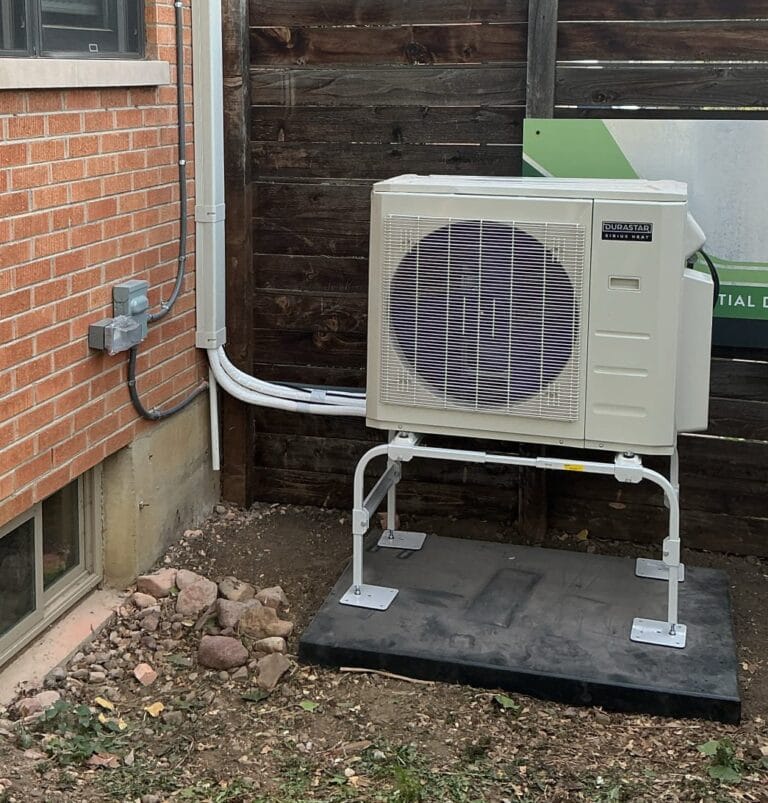
If the goal is to get 15 years or more out of a new A/C or heat pump, the formula is not complicated. It just has to be taken seriously.
The system needs to be sized correctly for the house. Not guessed. Not based on the old equipment nameplate. Actually sized using a proper load calculation.
The HVAC installation services need to be done right. Airflow checked. Refrigerant charge verified. Static pressure measured. Thermostat configured properly. Then the system needs regular upkeep so small issues do not snowball into compressor damage, blower failures, or repeat service calls.
Clean filters matter. Airflow matters. Annual inspection matters. Good duct performance matters. Equipment matching matters. Whether you are investing in central ac installation near me, ac installation denver co, hvac installation denver co, or a full hvac replacement systems project, all of it works together. A strong system does not happen by accident. It happens because the foundation was right from the beginning.
The U.S. Department of Energy recommends proper sizing and professional installation as the most important factors in long-term system performance. Xcel Energy also offers rebates on qualifying heat pump installations that meet efficiency standards, which are only achievable when HVAC installation services are done correctly.
Upgrading Soon? See Your Financing Options
Repair or Replace Depends on the Foundation
A lot of homeowners ask whether they should repair their current system or replace it. That is fair, but the better question is whether the system has a solid foundation.
If the equipment was installed correctly, commissioned properly, and has good airflow, repair often makes sense. A good system with one bad component can still be worth keeping.
But if the system has been wrong from the beginning, throwing repair money at it may not solve the underlying issue. In that case, replacement with proper HVAC installation services is the smarter move, especially when the home has had repeat comfort issues, chronic service problems, or high operating costs for years.
That is why a real system evaluation matters before making the call. It is not just about age. It is about whether the current setup is worth building on. Heat Pump Replacement and A/C Replacement both start with that honest assessment.
For homeowners who are ready to move forward with a replacement, the combination of proper HVAC installation services, available Xcel Energy rebates on qualifying heat pump equipment, and 0% financing through our financing program can make the decision significantly more manageable than most people expect going in.
Why Colorado Creates Unique Challenges for HVAC Installation Services
Colorado puts more stress on HVAC equipment than most homeowners realize, and that stress starts at installation.
High elevation affects how equipment operates. Air is thinner at 5,000 to 6,000 feet than at sea level, which means combustion equipment and heat pumps behave differently than they do in lower elevation climates. HVAC installation services that do not account for elevation can result in equipment that is misconfigured for its actual operating environment.
Temperature swings along the Front Range are more dramatic than in most of the country. A system can go from heating mode to cooling mode in the same week. That kind of cycling puts more stress on components and makes proper commissioning at startup more important, not less. A system that was barely dialed in for one mode will show it faster here than it would somewhere with a more stable climate.
Cottonwood season is a real factor. Every spring, cottonwood debris clogs outdoor condenser coils faster than most homeowners expect. A system that was installed with the condenser in a poor location, without adequate clearance, will accumulate debris faster and lose cooling efficiency sooner. Good HVAC installation services include thinking about unit placement and access for future maintenance, not just where it fits.
Hail exposure is also worth considering in Colorado. Outdoor units take hail hits that flatten coil fins and reduce airflow. Proper unit placement and, in some cases, hail guards are worth discussing during any new ac installation denver or heat pump installation project.
All of these factors mean that hvac installation companies operating along the Front Range need to understand Colorado conditions specifically, not just general HVAC principles. Equipment that performs fine in a standard install elsewhere may underperform here if the local factors are not accounted for.
Frequently Asked Questions About HVAC Installation Services in Colorado
How do I know if my HVAC installation services were done correctly?
Signs of a poor installation include uneven temperatures throughout the house, weak airflow at certain vents, short cycling where the system turns on and off frequently, higher than expected energy bills from day one, and ice forming on refrigerant lines during cooling season. A professional diagnostic visit can measure static pressure, airflow, and refrigerant charge to tell you definitively whether the system was set up correctly.
What is the difference between cheap and quality HVAC installation services?
Quality HVAC installation services include proper load calculation to size the equipment, airflow verification, refrigerant charge measurement, static pressure testing, electrical checks, and full commissioning after startup. Cheap installs often skip most of these steps. The equipment goes in, the system turns on, and the truck leaves. The problems show up later, usually after the warranty period has shrunk and the company is harder to reach.
How long should a properly installed AC or heat pump last in Colorado?
A properly installed and maintained AC system should last 12 to 15 years. A heat pump should last 15 to 20 years. Colorado conditions including elevation, cottonwood season, temperature swings, and hail exposure add stress, which makes proper HVAC installation services and regular maintenance even more important here than in most climates.
Does ac installation denver co require a permit?
Yes. AC installation Denver CO and heat pump installations require permits in most Denver Metro jurisdictions. Requirements vary by city and county. The Comfort Crew handles permitting as part of every new air conditioning installation project so homeowners do not have to navigate it themselves.
What should I look for when comparing ac installation contractors?
Ask whether they perform a load calculation before recommending equipment size, whether they test static pressure and airflow after installation, whether they verify refrigerant charge, and what their commissioning process includes. Quality ac installation contractors will have clear answers to all of these. If a company cannot explain what happens after the equipment goes in, that is worth paying attention to.
Can I get rebates on a new HVAC installation in Colorado?
Yes. Qualifying heat pump installations may be eligible for Xcel Energy rebates up to $2,250 per ton and the federal IRS Energy Efficient Home Improvement Credit up to $2,000. Rebate eligibility depends on equipment type and efficiency rating. We confirm eligibility during the consultation and handle documentation on qualifying projects. See our Heat Pump Rebates page for current details.
HVAC Installation Services Across the Denver Metro
The Comfort Crew provides HVAC installation services throughout the Denver Metro area including Thornton, Westminster, Broomfield, Arvada, Lakewood, Aurora, Centennial, Littleton, Northglenn, Brighton, Commerce City, Boulder, Superior, Louisville, and Wheat Ridge. See our full service area.
A new system is one of the biggest investments a homeowner makes. We focus on doing the setup right so that investment holds up. Honest findings, proper commissioning, no shortcuts.
Schedule Your Installation Consultation
Call us: 720-952-5961

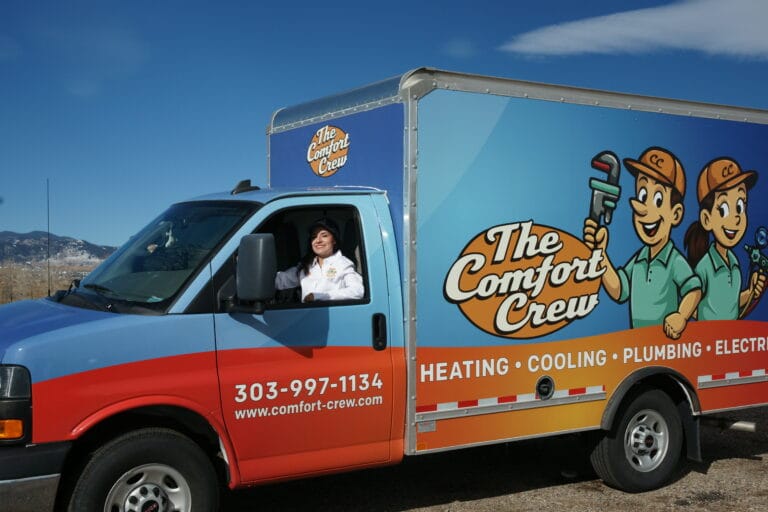
Want to Know If Your System Was Set Up Right?
If your newer system already seems off, has weak airflow, struggles on hotter days, or keeps running into repairs earlier than expected, there may be a reason.
And if you are thinking about replacing your current equipment, it makes sense to get it done right the first time instead of paying for shortcuts that come back around later.
You can schedule service if you want your current system evaluated, or review our financing options if you are planning an upgrade and want to keep the numbers manageable while making a smart long-term decision.