
If you live in Brighton, Thornton, Westminster, Broomfield, Aurora, or anywhere in the Denver Metro area, there’s a question most homeowners never think to ask before replacing their furnace or air conditioner:
Who actually owns the HVAC company you’re hiring?
Over the last decade, many heating and cooling companies across Colorado have been acquired by private equity firms or national investment groups. The trucks may still look local. The If you live in Brighton, Thornton, Westminster, Broomfield, Aurora, or anywhere in the Denver metro area, there is a question most homeowners never think to ask before comparing HVAC contractors Denver has to offer: who actually owns the company you are about to hire? It is an easy detail to overlook. The trucks look local, the name feels familiar, and the technician at your door may be someone who has worked in the area for years. But ownership sits behind all of that, and ownership shapes incentives.
Before you invest $10,000 to $20,000 in a new heating and cooling system, it is worth understanding how the business structure of the HVAC contractors Denver homeowners call can quietly influence the recommendations you receive.company name may still feel familiar. The technicians may even be the same.
But in many cases, ownership has changed.
And ownership structure influences incentives.
This isn’t about attacking large companies. There are skilled professionals working in every type of organization.
It’s about helping Denver Metro homeowners understand how business structure can shape decision-making — especially when you’re about to invest $10,000 to $20,000 in a new heating and cooling system.
Want straight answers and honest numbers on your furnace replacement? Schedule a no-pressure evaluation with The Comfort Crew and see our current $500 off installation offer. Call 720-952-5961.
This is not about attacking large companies. There are skilled, honest professionals working in every type of organization. It is about helping Denver metro homeowners understand how business structure can shape decision-making, especially when you are about to make one of the largest home investments you will make in a decade.



Why So Many HVAC Contractors Denver Homeowners Know Are Now Investor-Owned
Over the last decade, many heating and cooling companies across Colorado have been acquired by private equity firms and national investment groups. Across the Denver metro area and nationwide, these firms have purchased hundreds of local HVAC contractors, often keeping everything the customer sees exactly the same. Typically the original brand remains, the marketing and trucks continue under the familiar name, and the field staff stay in place. What changes is higher up: leadership decisions shift to corporate management or investment groups whose priorities are measured differently.
This does not automatically mean worse service. Plenty of the HVAC contractors Denver residents rely on are staffed by excellent people regardless of who signs the paychecks at the corporate level. But it does mean that when you compare companies, the ownership behind the logo is a real variable, not a cosmetic one. Investor-backed HVAC companies often operate under revenue growth targets, EBITDA benchmarks, average ticket tracking, replacement ratios, structured sales performance metrics, and expansion goals tied to company valuation. Those are legitimate ways to run a business. They also mean that financial performance metrics sit close to the center of how the company operates day to day.
How Ownership Structure Can Influence HVAC Recommendations
Most homeowners in Brighton, Thornton, Westminster, Broomfield, and Aurora never see what happens inside a heating and cooling company. In many investor-owned models, revenue per technician may be tracked, replacement percentages may be monitored, financing usage may be measured, and sales averages may be benchmarked against targets.
When a company answers to growth goals or investment returns, those performance metrics matter, and metrics influence behavior. Behavior, in turn, influences recommendations. That is not unique to HVAC. It is true in nearly any industry where performance is measured and rewarded.
This is exactly why the ownership question matters when you compare HVAC contractors Denver has available. If you are weighing a furnace replacement in Brighton, an air conditioning installation in Thornton, or simply comparing bids across Westminster, it helps to understand what may be driving the recommendation you receive.
A recommendation to replace rather than repair might be the honest, correct call for your system. It might also be shaped, even subtly, by internal targets you never see. You cannot know which unless you ask, and transparency is the difference that lets you tell them apart.
Consider how a single metric can quietly steer behavior. Suppose a company tracks the percentage of service calls that end in a full system replacement, and suppose that number is reviewed monthly against a target. No one has to instruct a technician to oversell for that target to shape what happens in your basement.
A borderline repair, the kind that could reasonably go either way, starts tilting toward replacement across hundreds of homes simply because the organization rewards the outcome. Each individual call may look defensible on its own. The pattern only shows up in the aggregate, and you, as a single homeowner, never see the aggregate. You see one recommendation on one afternoon, and you have no way to know where it falls in that larger pattern.
The same dynamic applies to financing usage, average ticket size, and add-on attachment rates. These are all reasonable things for a business to measure. The concern is not that measurement exists. It is that when measurement is tied tightly to compensation and corporate reporting, the pressure it creates is invisible to the customer standing in the driveway. A homeowner comparing bids has every right to ask how those incentives are set up, because the honest companies will explain them and the ones hoping you never ask will change the subject.
What Locally Owned HVAC Denver Service Actually Means
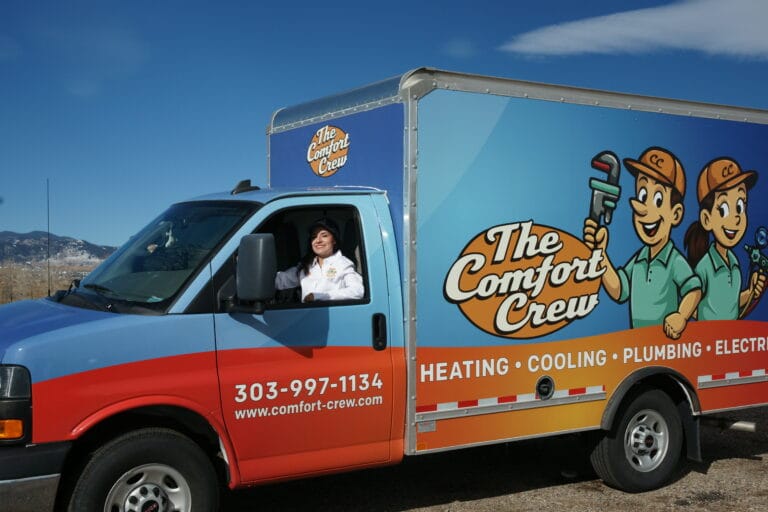
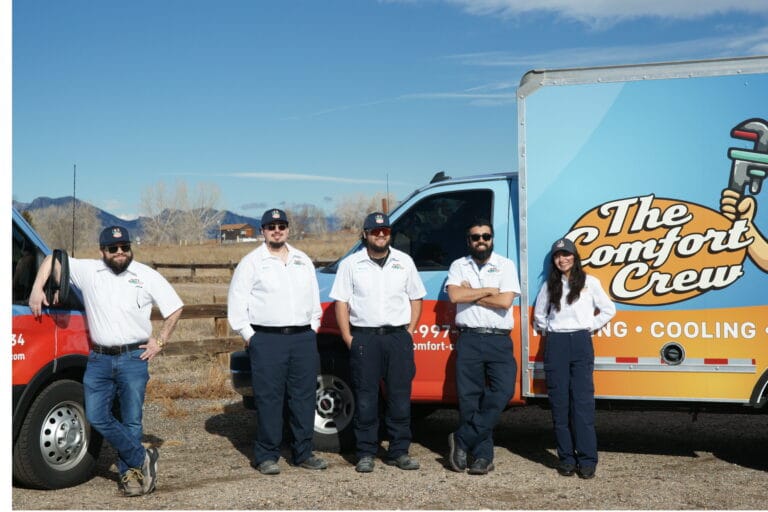
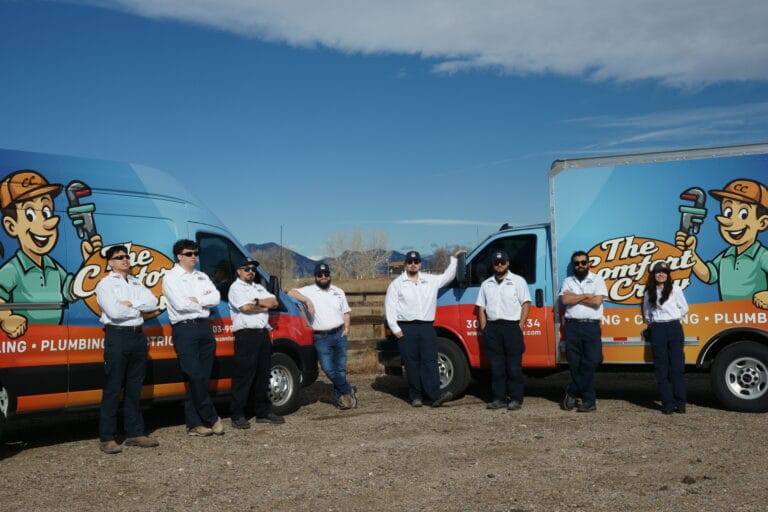
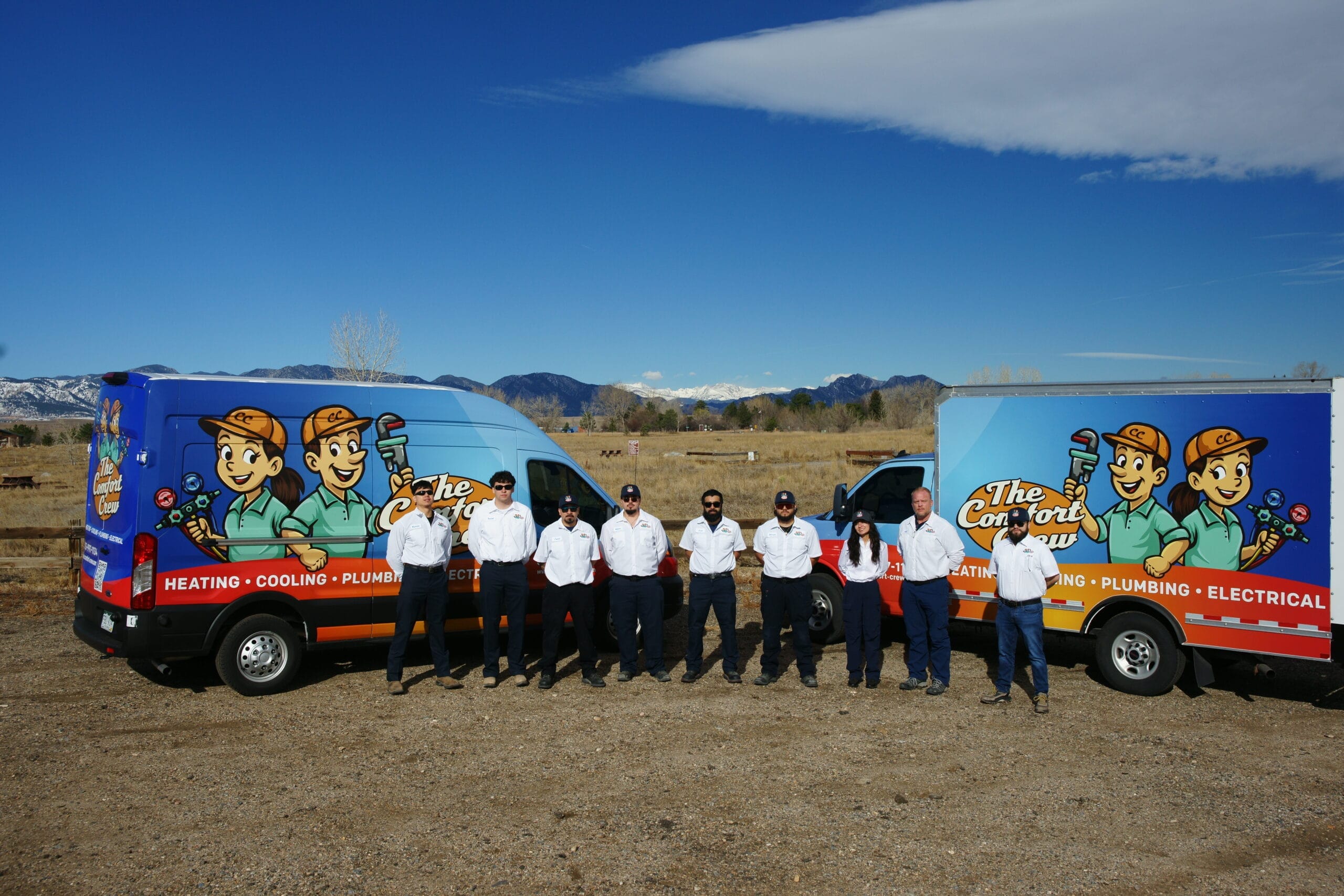
At The Comfort Crew Heating and Cooling LLC, we are a locally owned HVAC Denver company serving homeowners throughout Brighton, Thornton, Westminster, Broomfield, Aurora, and the surrounding communities. Our structure is simple, and that simplicity is the point. Our pricing decisions are made locally. Our leadership is local. Our accountability lives in the same communities we serve, which means the people making the calls are the people who answer for them.
We are not structured around quarterly investor returns. We are structured around long-term relationships, because in a metro this size, reputation travels and repeat customers matter more than any single ticket. When a repair makes sense, we recommend the repair. When replacement genuinely makes sense, we explain why in plain terms and show you the numbers. When rebates are available through Colorado energy programs or local utilities, we help you capture them rather than steering you away from the option that saves you money. A locally owned HVAC Denver operation can align its incentives with long-term trust instead of short-term metrics, and that alignment shows up in the advice you get.
If your furnace is aging and you are weighing your options, our furnace replacement Denver service starts with an honest assessment of whether replacement is even the right call. Sometimes it is not, and we will tell you so.
There is a practical side to locally owned HVAC Denver service that homeowners feel long after the install is finished. When a question comes up two winters later, you are calling the same company, run by the same people, with your job history in front of them, rather than a regional call center routing you to whoever is available. Warranty issues get handled by an owner who has a stake in your neighborhood’s opinion of the business, not by a claims process designed to minimize cost per ticket.
That continuity is hard to put a price on, but it is exactly the kind of value that a business built around relationships rather than quarterly targets can offer. It is also why so many of our jobs come from referrals rather than paid advertising: locally owned HVAC Denver work tends to sell itself through the neighbors who have already lived with the results.
Are Investor-Owned HVAC Companies Automatically A Bad Choice?
No. There are excellent technicians and genuinely honest professionals working in national and investor-backed organizations, and ownership alone does not determine integrity. Some of the most skilled installers in the metro work for large companies. The point is not that investor-owned is bad and local is good as a simple rule. The point is that ownership structure influences how a company measures performance, sets goals, and defines success, and that influence is invisible to you unless you ask about it.
As a homeowner, you deserve to understand how a company’s business model may shape its operations before you hand over a five-figure project. When you compare HVAC contractors Denver offers, treat ownership as one input among several: reputation, licensing, warranty terms, pricing transparency, and how the company handles the repair-versus-replace conversation all matter too. Ownership is simply the input most homeowners forget to check, which is exactly why it is worth checking.
6 Questions To Ask Any HVAC Contractor Before Replacing Your System
Whether you are in Brighton, Thornton, Westminster, Broomfield, or Aurora, these six questions cut straight to how a company is structured and how it makes recommendations. Reputable HVAC contractors Denver homeowners can trust will answer them clearly and without hesitation:
- Are you locally owned or investor-owned? A direct question deserves a direct answer. How they respond tells you a lot before they say a word about equipment.
- How are your technicians compensated? Commission-heavy pay structures can create pressure toward larger tickets. It is fair to ask.
- Do you track revenue per technician or replacement percentages? You are not being rude. You are understanding what drives the advice you get.
- Will you present multiple repair options before recommending replacement? A trustworthy contractor gives you the full picture, not just the biggest job.
- Who ultimately sets your pricing policies? Local control over pricing usually means more flexibility and fewer rigid corporate scripts.
- Can you put the quote and warranty terms in writing before any work begins? Transparency on paper is the strongest signal of a company culture built on trust.
If a contractor gets defensive or vague when you ask these, that reaction is itself an answer.
Know Who You’re Hiring Before You Replace Your System
How To Verify What A Contractor Tells You
Asking the six questions is the first step. Confirming the answers is the second, and it takes only a few minutes. Colorado requires HVAC work to be performed under proper licensing and permitting, so a legitimate contractor will pull permits for a furnace or air conditioner replacement and have the work inspected by your local jurisdiction. If a company is reluctant to pull a permit or suggests skipping inspection to save time, that is a meaningful red flag no matter who owns them. A permit is your third-party check that the work meets code, and it protects you at resale.
Beyond permits, look at how the quote itself is presented. A trustworthy contractor gives you an itemized, written estimate that separates equipment, labor, and any additional work such as venting or electrical upgrades. Vague single-number quotes make it hard to compare bids fairly and easy to hide margin. Cross-reference the company’s reputation across independent review platforms rather than only the testimonials on their own website, and check that the business name, license, and physical address are consistent everywhere they appear. Locally owned operations tend to have a real, verifiable local address rather than a rotating list of metro-wide service hubs.
Finally, pay attention to the repair-versus-replace conversation itself. A contractor confident in their integrity will walk you through why a repair is or is not viable, put both options in writing where the situation genuinely allows a choice, and give you room to decide without a same-day pressure deadline. Manufactured urgency, the sense that the price is only good if you sign right now, is one of the clearest signals that a sales target is sitting between you and an honest recommendation. The companies worth hiring do not need to rush you, because their business is built to survive you taking a day to think.
Why Ownership Transparency Matters in the Denver Metro Area
Replacing a furnace or air conditioner is one of the largest investments you will make in your home.
When temperatures drop below freezing in Brighton or summer heat rises in Aurora, you need more than equipment.
You need accountability.
Local ownership often provides:
- Direct decision-making
- Community accountability
- Flexible service solutions
- Long-term relationship focus
- No outside investor pressure
With nearly three decades in the heating and cooling industry — including leadership roles within larger organizations — I have seen firsthand how ownership structure impacts operational decisions.
That experience is exactly why we built The Comfort Crew Heating and Cooling LLC differently.
Because alignment matters.
When a company’s incentives align with homeowner interests, trust becomes the natural outcome.
Frequently Asked Questions About HVAC Contractors In The Denver Metro Area
What does it mean if an HVAC company is investor-owned?
It means the company is owned wholly or partially by a private equity firm or investment group rather than by independent local owners. The brand and staff often stay the same while leadership and financial priorities shift to the corporate level.
Are locally owned HVAC Denver companies always better?
Not automatically. However, locally owned companies typically make decisions within the community they serve and may operate under different performance incentives than national firms. Ownership is one factor to weigh alongside reputation, licensing, and pricing transparency.
Why does ownership matter when replacing a furnace?
Ownership structure can influence how performance is measured inside a company, which may affect how repair-versus-replacement recommendations are evaluated. Understanding it helps you interpret the advice you receive on a major purchase.
How can I compare HVAC contractors Denver offers fairly in Brighton or Thornton?
Ask direct questions about ownership, technician compensation, pricing policies, and whether they present repair options before recommending replacement. A willingness to answer clearly is a strong indicator of company culture.
Does an investor-owned contractor always push replacement over repair?
No. Many honest professionals work in investor-backed companies. The concern is that internal targets can create pressure that homeowners never see, which is why asking about repair options directly is worthwhile.
What is the single best question to ask before hiring?
Ask whether they will present multiple repair options in writing before recommending a full replacement. The answer reveals how the company balances your interests against its own targets.
Have Questions Before You Move Forward?
An HVAC system is not a collection of independent parts. Everything is connected, and when one component is struggling the rest of the system has to compensate. That compensation is where the real cost accumulates.
Here is how it plays out in the three most common scenarios.
Dirty coils lead to compressor damage. When condenser coils are clogged with dirt, dust, or cottonwood, the system cannot release heat efficiently. The compressor has to work longer and run hotter to do the same job. Over time that extra strain wears down the compressor. Compressor replacement is one of the most expensive hvac repair costs a homeowner can face, often running $1,500 to $3,000 or more depending on the system.
Dirty filters restrict airflow and freeze coils. A clogged filter chokes off the airflow the system needs to function correctly. That leads to a frozen evaporator coil, reduced efficiency, blower motor stress, uneven temperatures throughout the house, and rising energy bills. What started as a $5 filter replacement becomes a diagnostic visit, a coil thaw, and sometimes a blower repair.
Weak capacitors fail at the worst time. Capacitors degrade gradually. The system may show subtle startup symptoms for months before the capacitor finally gives out. That usually happens during the first serious heat wave of the summer, when schedules are backed up and emergency ac repair calls are stacking up across the metro. A capacitor replacement caught during a spring tune-up costs a fraction of what an emergency ac repair call runs in July.
Serving Homeowners Across The Denver Metro Area
The Comfort Crew provides locally owned HVAC Denver service throughout the metro. Explore heating and cooling help in your city:
HVAC Thornton CO | HVAC Westminster CO | HVAC Broomfield CO | HVAC Arvada CO | HVAC Aurora CO | HVAC Brighton CO | HVAC Northglenn CO | HVAC Commerce City CO
Final Word For Denver Metro Homeowners
Before replacing your furnace or air conditioner in Brighton, Thornton, Westminster, Broomfield, Aurora, or anywhere in the Denver metro area, take a moment to ask a simple question: who owns the HVAC company you are hiring? Structure shapes incentives, and incentives shape recommendations. That is true of every business, which is why the answer is worth having before you commit. Among the HVAC contractors Denver homeowners can call, the ones worth hiring are the ones comfortable answering it directly.
At The Comfort Crew Heating and Cooling LLC, our structure is built around serving homeowners, supporting our team, and strengthening our community. That alignment guides every recommendation we make. Learn more about who we are and why we built the company this way.
Make your next HVAC decision with full transparency and zero corporate pressure. Talk with a local HVAC expert or explore 0% financing options today. Call 720-952-5961.