
Dual Fuel Heat Pump Systems: 6 Pros and Cons for Colorado Homes
A dual fuel heat pump system pairs an electric heat pump with a gas furnace, so your home uses whichever one makes the most sense for the weather outside. The heat pump handles cooling all summer and most of the heating in spring, fall, and mild winter days. When temperatures drop far enough, the furnace takes over. For a lot of Front Range homeowners, it is a practical middle ground between keeping a traditional furnace and air conditioner and going fully electric.
Save $500 on a New Heat Pump or Furnace. Weighing a dual fuel upgrade? The Comfort Crew is offering $500 off any new heat pump, furnace, or AC installation, plus $0 estimates with every available rebate shown on your quote. View current HVAC coupons or schedule your free estimate.
Dual fuel is not the right answer for every home, though. It changes which incentives you qualify for, it keeps you on a gas bill, and it only performs the way it should when both halves are set up to work together. This guide explains how a dual fuel heat pump works, walks through six pros and cons that matter most in Colorado, and helps you decide whether it fits your home better than an all electric heat pump or a new furnace and AC.
The Comfort Crew designs and installs heating and cooling systems for homeowners throughout Westminster, Thornton, Northglenn, Broomfield, Brighton, Erie, and the rest of the northern Denver metro, so the guidance below reflects how these systems actually perform on the Front Range.
What Is a Dual Fuel Heat Pump System?
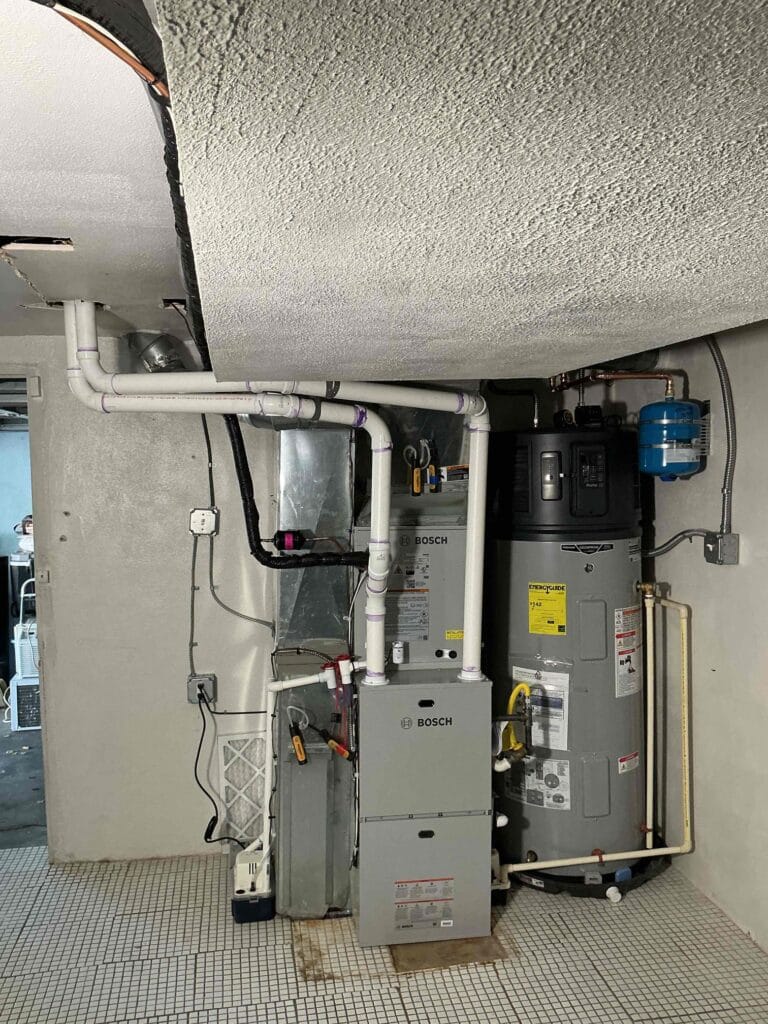
A dual fuel heat pump system, sometimes called a hybrid heating system, combines three main pieces:
- An outdoor heat pump that replaces a traditional air conditioner. It cools in summer and moves heat into the home in winter.
- A gas furnace that provides the blower for the duct system and serves as the heat source when it is too cold, or too expensive, for the heat pump to run.
- A control that decides which one runs, usually a compatible thermostat with an outdoor temperature sensor or a communicating control system.
Both the heat pump and the furnace share the same ductwork and indoor coil. The control watches outdoor temperature and switches from heat pump to furnace at a set point, often called the switchover or balance point. Above that temperature, the heat pump heats your home. Below it, the furnace takes over.
In most dual fuel setups, the heat pump and furnace do not heat at the same time. The indoor coil sits on top of the furnace, and running the furnace burner while the heat pump is pumping heat through that coil would drive refrigerant pressures too high. The control locks out the heat pump whenever the furnace is firing. The one common exception is during a defrost cycle, when the furnace may briefly fire to keep cold air from blowing out of the vents while the outdoor coil clears its frost.
Your installer sets the outdoor temperature where the system hands off from the heat pump to the furnace based on your equipment and how you like your home to feel, and it can be adjusted later. If you would rather the heat pump do more of the work, a cold climate heat pump can carry your home much deeper into winter before the furnace is ever needed.
Pro 1: Lower Risk on the Coldest Nights
The furnace gives you full gas heat when Colorado throws its worst at you. During a deep arctic outbreak, the heat pump simply steps aside and the furnace carries the home. For homeowners who are uneasy about relying entirely on electric heat, that backup offers real peace of mind.
It is worth being clear about one point: a gas furnace still needs electricity to run its blower, igniter, and controls. Neither a dual fuel system nor an all electric system will heat your home during a power outage without a generator.
Pro 2: Flexibility When Energy Prices Change
A dual fuel system lets you choose your heat source based on cost. If natural gas prices spike, you can lower the switchover temperature and let the heat pump carry more of the load. If electric rates climb, you can raise it and lean on the furnace. Very few heating systems give you that kind of control over your monthly bill.
Pro 3: Warmer Air at the Vents
Gas furnaces typically deliver supply air in the 120°F range or warmer, while heat pumps deliver gentler air, often in the 90s to low 100s during cold weather. Heat pump air still warms the home effectively, but it can feel cooler on your hand at the register. Homeowners who like that blast of hot air on the coldest mornings often prefer dual fuel for this reason alone.
Pro 4: A Smart Upgrade When Your Furnace Still Has Life Left
One of the most common dual fuel projects we see is an aging air conditioner paired with a furnace that is only a few years old. Instead of replacing the AC with another AC, you can install a heat pump in its place and connect it to the existing furnace. You get efficient cooling, efficient heating on mild days, and you avoid replacing a furnace that still has years of service ahead of it. When the furnace eventually wears out, you can decide whether to replace it or convert to an all electric system at that time.
This only works when the existing furnace has a compatible blower and controls, so a technician should confirm the match before you commit. Our heat pump installation team checks this during the estimate
Con 1: You Keep Paying for Gas Service
As long as a gas furnace is in the house, you will pay for gas service, including the fixed monthly charges that apply whether you use much gas or not. Homeowners whose goal is to eliminate gas entirely, especially if they also have or plan to install a heat pump water heater and electric range, usually get more value from going all electric.
You also maintain two heating systems. A dual fuel setup needs annual service on the heat pump and a full safety inspection on the furnace, including the heat exchanger, venting, and combustion. Our furnace maintenance and heat pump service visits cover both, and a maintenance membership keeps both on schedule.
Con 2: Some of the Biggest Incentives Do Not Apply
This is the con that surprises homeowners most. Several of Colorado’s largest heat pump incentives are designed to reward systems where the heat pump does most or all of the heating:
- The Colorado heat pump tax credit requires the system to be designed to supply at least 80% of the home’s annual heating. A dual fuel system can qualify only if it is sized and set up so the heat pump carries that share. If the furnace is expected to provide more than 20% of the annual heat, the system does not qualify. Our guide to the Colorado heat pump tax credit covers the details, and the Colorado Energy Office publishes the program rules.
- Neighborhood programs like Xcel’s Aurora F-3 Project require the gas equipment to be fully removed to earn the heat pump rebate.
The good news is that Xcel Energy’s standard heat pump rebate still applies. There is no separate dual fuel rebate. Xcel calculates its rebate on the outdoor heat pump itself, so a qualifying heat pump earns its rebate whether it is paired with a furnace or installed as an all electric system. Check Xcel’s residential heat pump rebates for current amounts and equipment requirements.
For most homes outside the F-3 project area, the incentive gap between dual fuel and all electric comes down mainly to the state heat pump discount, so dual fuel gives up less than many homeowners expect. Inside the F-3 area, the difference can be thousands of dollars. Either way, it pays to compare a dual fuel quote and an all electric quote side by side with incentives applied. Our rebate calculator gives you a quick starting estimate.
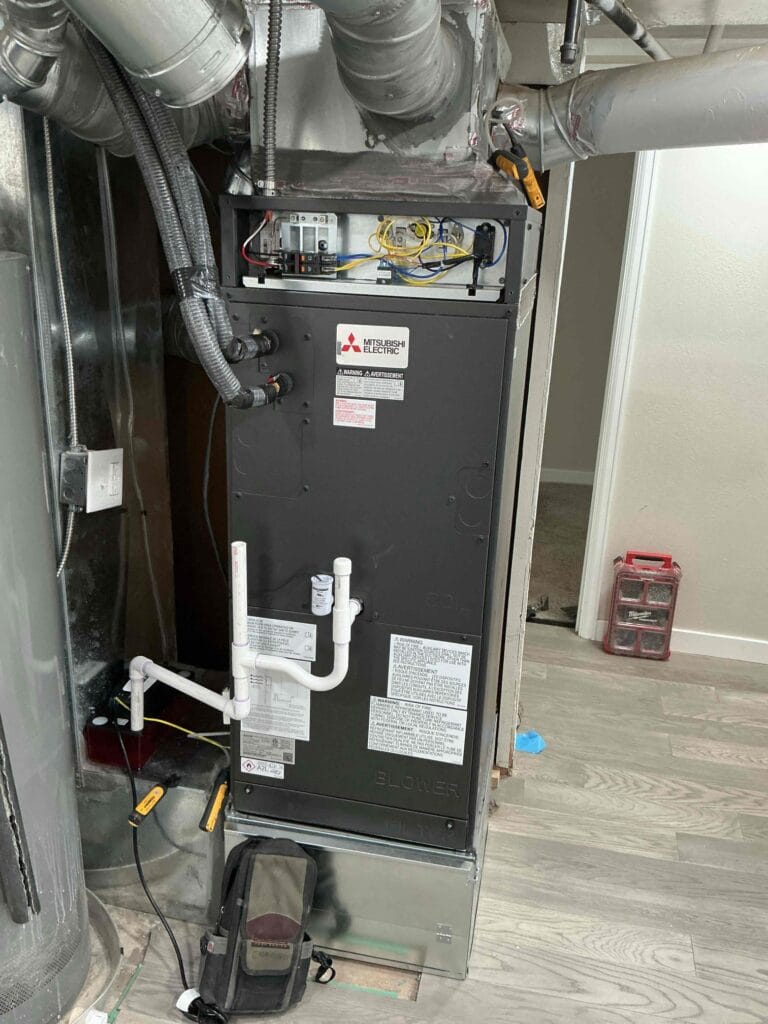
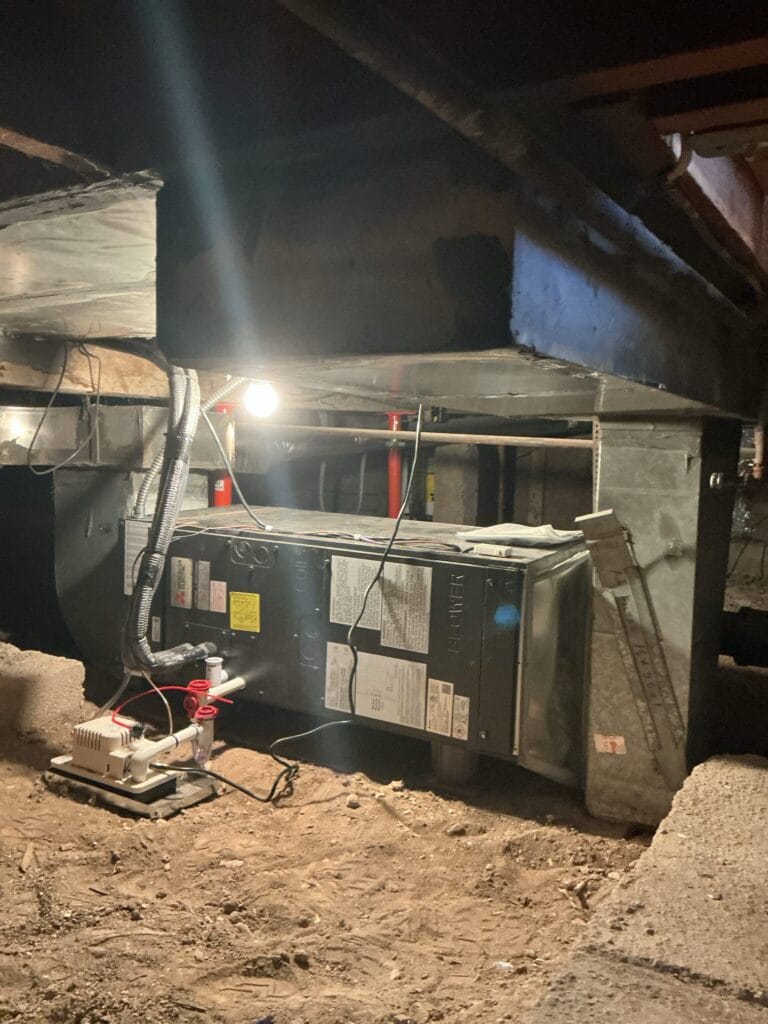
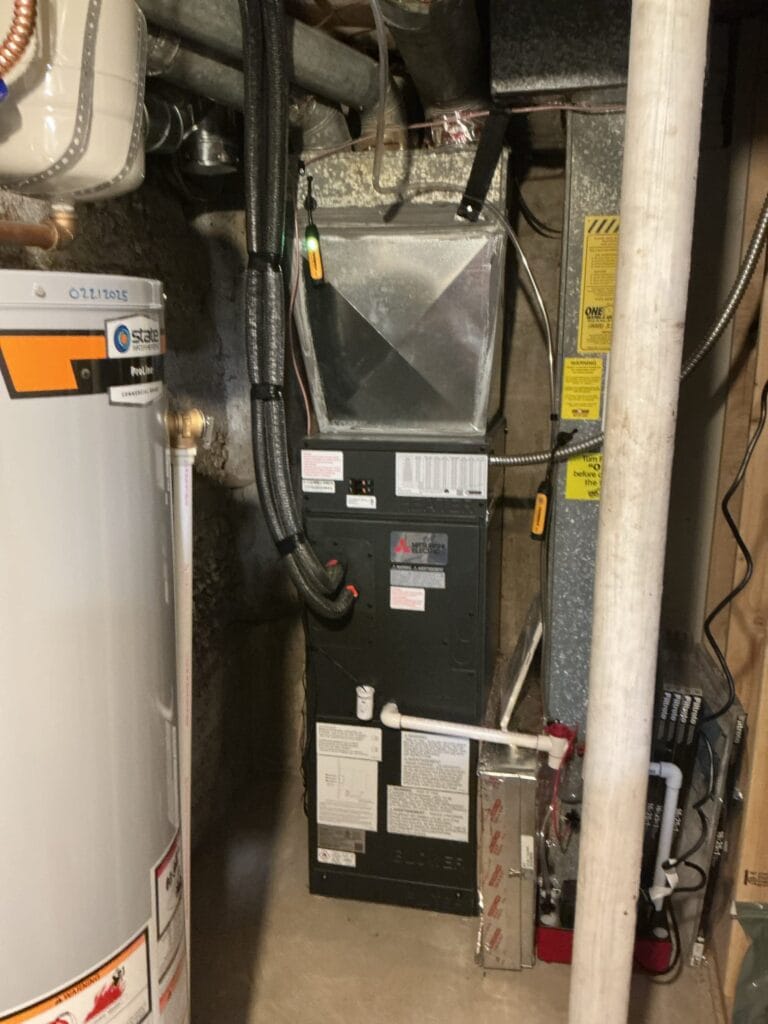
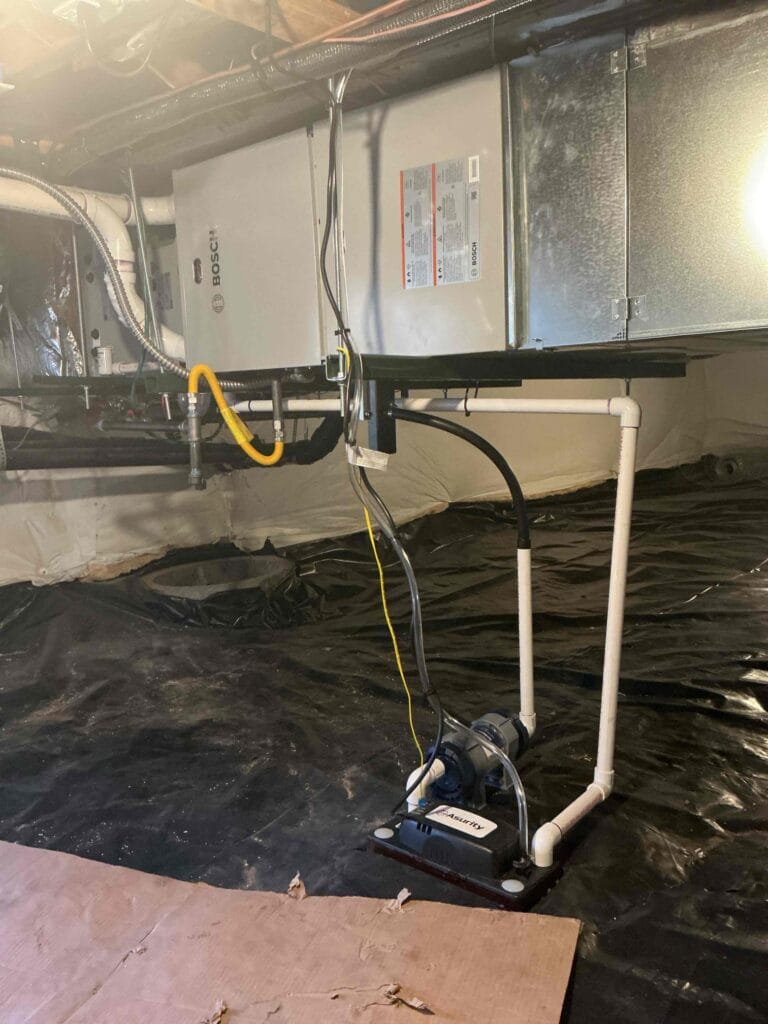
Not Sure Which Setup Fits Your Home?
A Comfort Crew comfort advisor will run a room by room load calculation, price dual fuel and all electric options side by side, and show every rebate you qualify for on each, so you can compare the real out-of-pocket numbers.
Dual Fuel vs All Electric vs Furnace and AC
Here is how the three most common choices compare for a typical Denver metro home.
| Factor | Dual Fuel Heat Pump | All Electric Heat Pump | Furnace and AC |
|---|---|---|---|
| Cooling | Heat pump | Heat pump | Air conditioner |
| Mild weather heating | Heat pump | Heat pump | Gas furnace |
| Coldest weather heating | Gas furnace | Heat pump plus backup strips | Gas furnace |
| Gas service needed | Yes | No, if all appliances are electric | Yes |
| Colorado incentives | Xcel heat pump rebate, state credit only if the heat pump carries 80% of heating | Xcel rebate, state credit, and regional programs | Limited |
| Systems to maintain | Two | One | Two |
| Best fit | Newer furnace, mixed priorities | Maximizing incentives, leaving gas | Lowest upfront cost |
If you are leaning toward keeping gas heat altogether, our guide to new furnace cost breaks down 2026 furnace pricing, including Colorado’s low emission furnace requirement. Our comparison of AC versus heat pump options covers the cooling side of the decision.
Is Your Furnace a Good Match for a Dual Fuel Heat Pump?
If you are planning to keep your current furnace and add a heat pump, the furnace needs to be a good partner. A technician should check a few things before you commit:
- Age and condition. A furnace under about 10 years old with a clean safety inspection is usually a good candidate. If it is approaching 15 to 20 years, replacing it alongside the heat pump, or going all electric, often makes more sense.
- Blower motor. Furnaces with a variable speed blower can match the airflow a heat pump needs in both heating and cooling. Older single speed blowers can work, but airflow has to be verified so the heat pump runs efficiently and does not freeze up or overheat.
- Controls and compatibility. Many systems work with a standard dual fuel thermostat. Communicating systems often require the furnace and heat pump to come from the same manufacturer.
- Coil and cabinet fit. The indoor coil sits on top of the furnace, so it needs to be sized for the heat pump and fit the furnace cabinet without restricting airflow.
- Heat exchanger and venting. The furnace will still handle your coldest nights, so a full combustion and safety check is part of any dual fuel estimate.
If the furnace does need replacing, keep in mind that new furnaces sold in Colorado must now meet ultra-low NOx emission limits or carry ENERGY STAR certification. Our guide to new furnace cost explains how that rule affects pricing in 2026.
What a Dual Fuel Heat Pump Costs Compared to Other Options
The cost of a dual fuel project depends mostly on whether you are keeping your furnace.
Adding a heat pump to an existing furnace is usually the most affordable way into dual fuel. A heat pump generally costs somewhat more than a comparable air conditioner, but the gap has narrowed as newer air conditioners have moved to updated refrigerants and higher efficiency standards. Because Xcel’s heat pump rebate is calculated on the outdoor unit, that rebate often closes much of the difference.
Replacing both the furnace and the outdoor unit costs more up front, since you are buying two pieces of major equipment. In that situation, it is worth pricing an all electric system as well, because it may qualify for more incentives and replaces two systems with one.
Ongoing costs include gas service charges, electricity for the heat pump, and annual maintenance on both the furnace and the heat pump. For the remaining balance after rebates, 0% HVAC financing is available for qualified homeowners.
When a Dual Fuel Heat Pump Makes the Most Sense
Dual fuel tends to be the strongest choice when:
- Your furnace is less than about 10 years old, and your air conditioner needs replacing
- Your electrical panel does not have room for large backup heat strips without an expensive service upgrade
- Your home is larger, older, or harder to heat, and a load calculation shows a heat pump alone would need to be very large
- You want gas heat available on the coldest nights for comfort or peace of mind
- The incentives available for an all electric system would not close the price gap for your home
An all electric heat pump is usually the better fit when you want to capture the largest incentives, plan to eliminate gas service, have a reasonably well insulated home, or are replacing both the furnace and AC at the same time anyway.
What a Proper Dual Fuel Installation Includes
A dual fuel system only performs well when both halves are set up to work together. A complete installation should include:
- A load calculation to size the heat pump and confirm the furnace capacity.
- A matched outdoor unit and indoor coil with an AHRI reference number, sized for the furnace blower.
- A compatible control or thermostat with an outdoor sensor, set up for your home and comfort preferences.
- Defrost control setup so the furnace and heat pump work together during defrost.
- Refrigerant charging and airflow verification to the manufacturer’s specifications, especially important with newer refrigerants such as R-454B.
- Furnace safety checks on the existing furnace if it is staying, including combustion, venting, and the heat exchanger.
- A homeowner walkthrough explaining how the system decides between the heat pump and the furnace.
The Department of Energy guide to heat pump systems offers more background on how heat pumps operate, and ENERGY STAR’s air source heat pump page lists certified equipment.
When it is time to replace the furnace half of the system, our furnace replacement and furnace installation teams can match a new furnace to your existing heat pump
Heating and Cooling Across the Northern Denver Metro
The Comfort Crew Heating and Cooling installs dual fuel, all electric, and traditional heating and cooling systems throughout the northern Denver metro and surrounding communities, including:
Westminster Thornton Northglenn Broomfield Brighton Erie
Do not see your city listed? Visit our full areas we serve page or contact us to ask about service in your area.
Frequently Asked Questions About Dual Fuel Heat Pumps
What is a dual fuel heat pump? It is a heating and cooling system that pairs an electric heat pump with a gas furnace. The heat pump handles cooling and heating in milder weather, and the furnace takes over below a set outdoor temperature.
Does Xcel Energy offer rebates on dual fuel systems? There is no separate dual fuel rebate. Xcel calculates its heat pump rebate on the outdoor heat pump itself, so a qualifying heat pump earns its rebate whether it is paired with a gas furnace or installed as an all electric system.
Can I add a heat pump to my existing furnace? Often, yes. If your furnace is relatively new and has a compatible blower and controls, a heat pump can replace your air conditioner and connect to the furnace to create a dual fuel system. A technician should verify compatibility first.
Does a dual fuel heat pump qualify for the Colorado heat pump tax credit? Only if the heat pump is designed to supply at least 80% of your home’s annual heating. If the furnace is expected to provide more than 20% of the heat, the system does not qualify.
Is dual fuel cheaper to run than an all electric heat pump? In many Colorado homes, yes, because natural gas has historically been relatively inexpensive compared to electricity on a per unit of heat basis. The savings depend on your rates and how the system is set up.
Will a dual fuel system work during a power outage? No. The gas furnace still needs electricity for its blower, igniter, and controls. Neither a dual fuel nor an all electric system heats your home during an outage without a generator.
Do the heat pump and furnace run at the same time? Usually not. The control locks out the heat pump whenever the furnace is firing, except during defrost cycles on some systems, when the furnace may briefly run to keep the supply air warm.
Does a dual fuel heat pump need to be a cold climate model? Not always, since the furnace covers the coldest weather. However, many Colorado incentives require cold climate equipment, and a cold climate model lets the heat pump carry more of the heating before the furnace takes over.
Schedule Your Free Estimate
A dual fuel heat pump can be a smart, flexible choice for Colorado homes, especially when your furnace still has life left or your electrical service has limits. It can also cost you thousands in incentives if an all electric system would have fit just as well. The Comfort Crew will price both paths side by side, set the system up correctly, and show you the real numbers before you decide.
We proudly serve homeowners throughout Westminster, Thornton, Northglenn, Broomfield, Brighton, Erie, and every community in between across the Denver metro.
Contact The Comfort Crew today to schedule your free estimate and find out whether dual fuel is the right fit for your home.